






building for regulated and institutional clients
sites and products shipped
held by one enterprise brand system
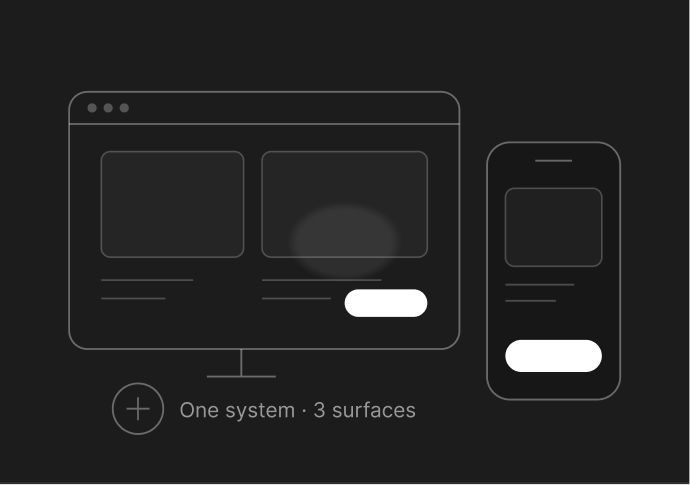
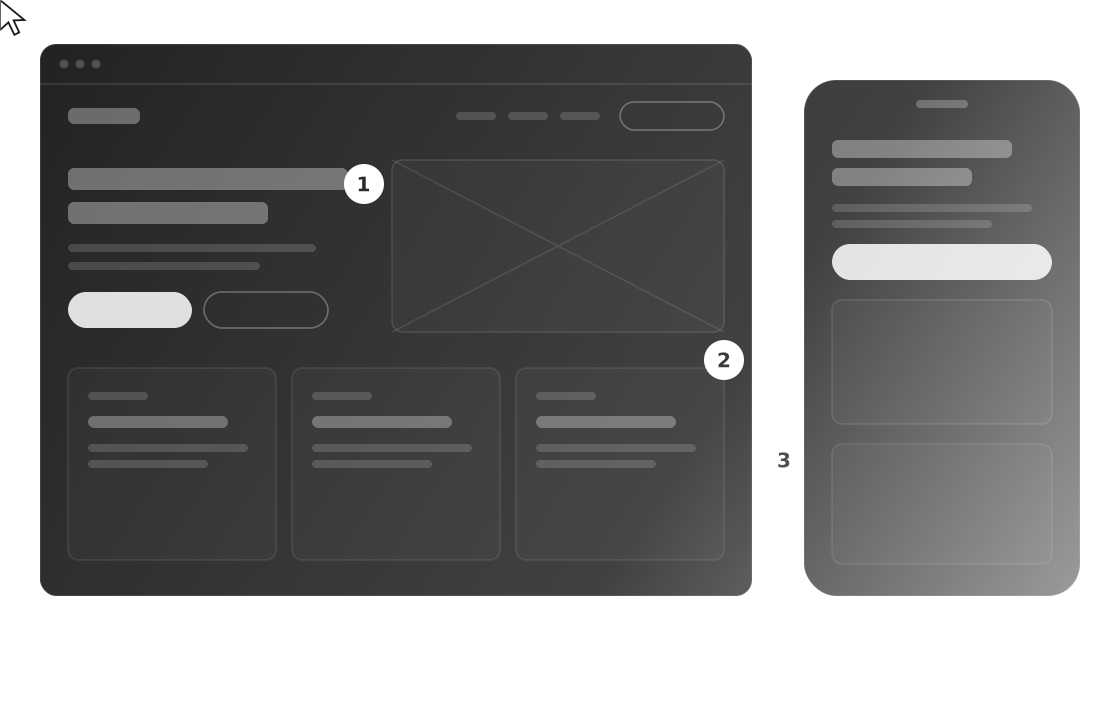
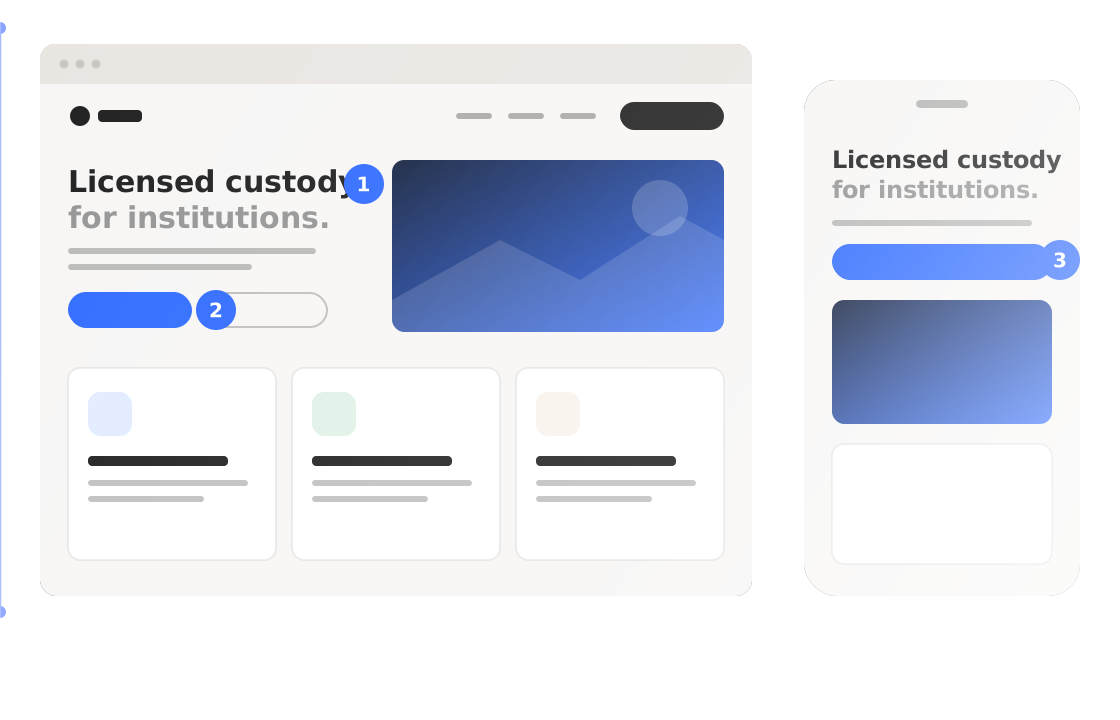
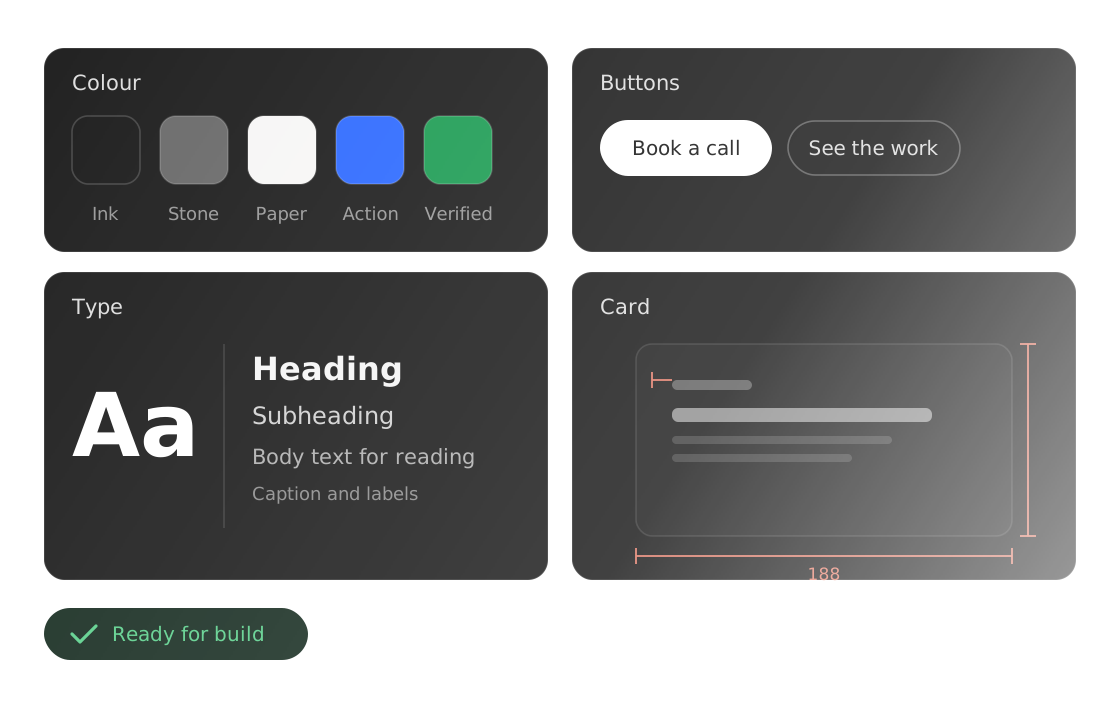
mobile, desktop and brand, one design system
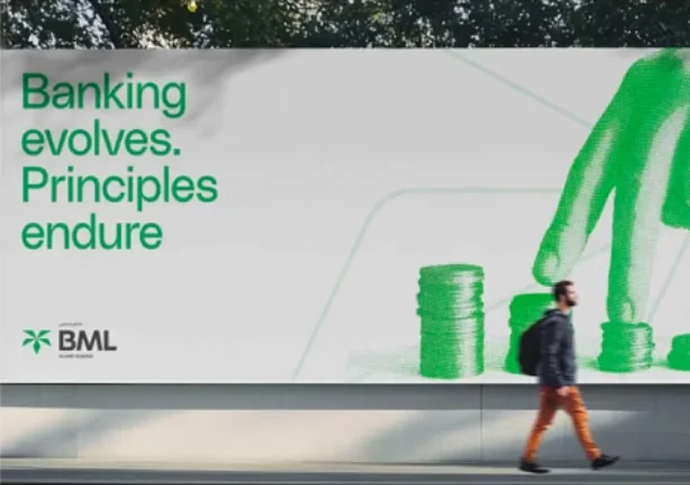
A regulator that just licensed you, and institutional investors who still assume crypto means risk.
A central bank, correspondent banks, and a market that
assumes the institution has not changed.
Institutional buyers, climate funds and assurance bodies
with a greenwashing default to overcome.
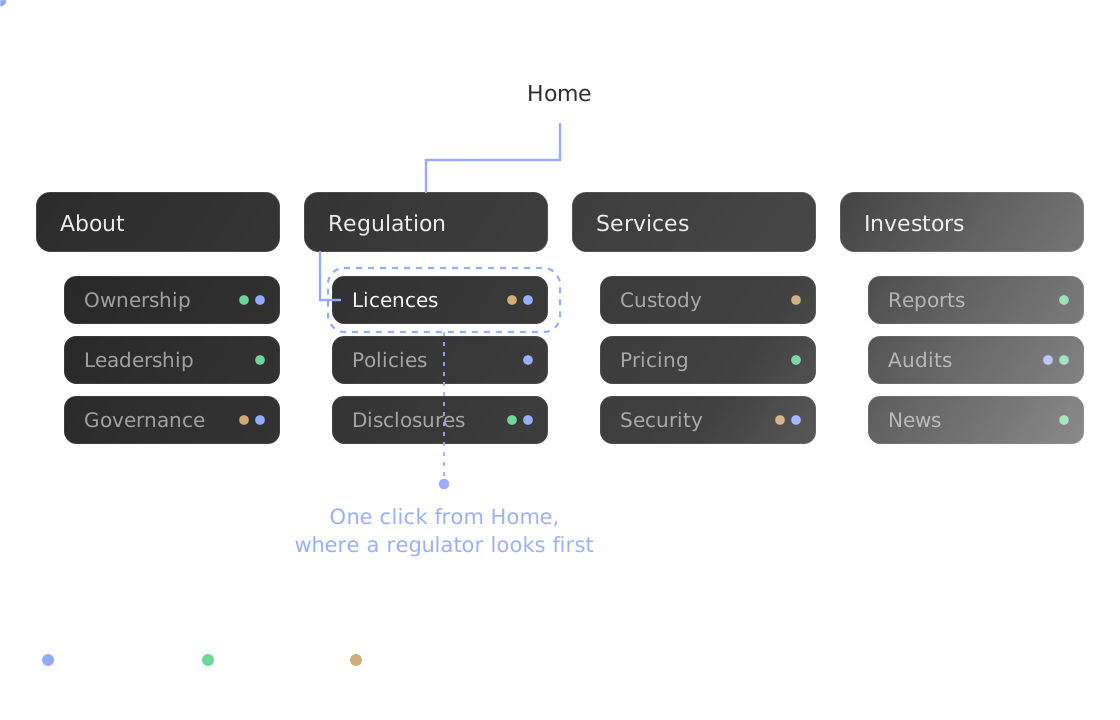
Licences, jurisdictions and registration numbers where a regulator would look for them.
Ownership, leadership and governance stated plainly, not buried in a PDF.
One sentence a board member could repeat, then the detail for the reader who needs it.
Every number carries where it came from and when, so it survives a second look.
Named people, real contact routes and the policies a counterparty checks for.
One clear action for each audience: apply, invest, partner or talk to someone.


We agree the rules for colour, type and layout before designing a single page, so page fifty matches page one.
AI tools do the repetitive production, 140 screens a week, so you review real pages instead of waiting for a big reveal.
The tools produce, people choose. Every screen is reviewed by the designer who signs it off.
You pay for the finished result, not for hours. The price is agreed before the work starts.
Not on this page. Web design ends at build-ready files. The build is a separate Build engagement, named and priced in your design proposal, or handed to your own developers.
Yes. We extend an established identity into the website. If the brand is part of the credibility gap, the diagnostic says so and the brand system is scoped first.
By outcome, not hours. A fixed-fee diagnostic comes first, then a fixed-price design proposal with the next surface already named.
It depends on the number of templates, the content you already have and how many people sign off. The diagnostic ends with a timeline, written down.
Figma files for every page, a documented design system with tokens and components, a clickable prototype and a walkthrough with whoever builds it.
Because it shows where you stand before anyone designs anything. It is the report, not a pitch with a report attached, and it is yours whether or not we ever speak.